January 23, 2026
Asphalt surfaces play a major role in how a property looks, functions, and holds up over time. Driveways, parking lots, and walkways are constantly exposed to vehicle traffic, weather, and gradual wear. While asphalt is known for its durability, it is not immune to damage. Recognizing early warning signs can help property owners address issues before they turn into larger, more expensive problems. Understanding when asphalt repair is needed can also improve safety, appearance, and long-term performance.
1. Visible Cracks Beginning to Form
One of the earliest and most noticeable signs that asphalt repair may be needed is the appearance of cracks. Small hairline cracks often develop as asphalt ages and responds to temperature changes. While these cracks may seem minor at first, they allow moisture to seep beneath the surface. Over time, water infiltration can weaken the base layer, causing cracks to spread and deepen. Addressing cracking early helps preserve the integrity of the asphalt and prevents further deterioration that can compromise the entire surface.
2. Potholes Creating Safety Concerns
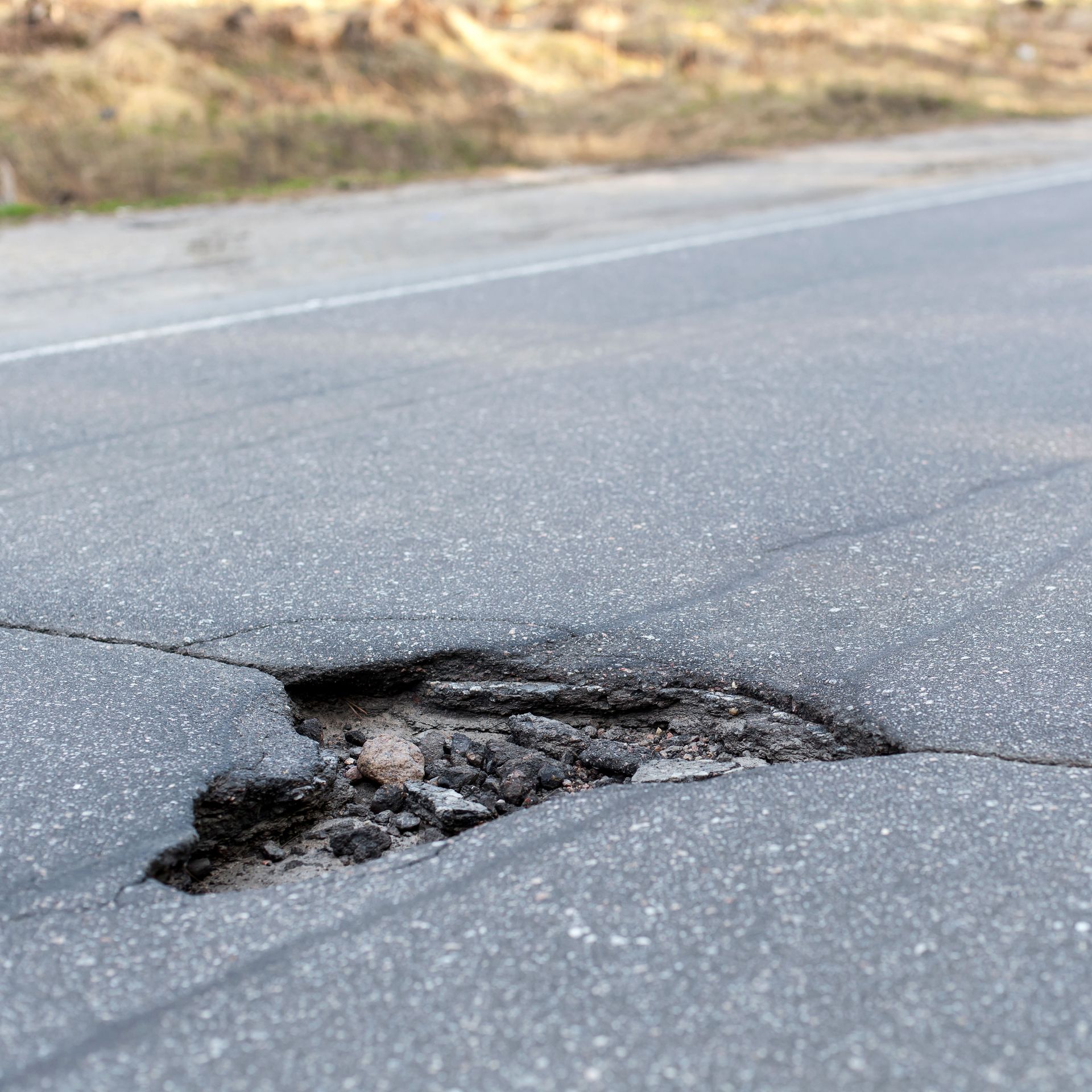
Potholes are more than just an inconvenience; they are a clear sign that asphalt repair should not be delayed. These depressions form when water enters cracks, weakens the base, and causes the surface to collapse under pressure. Potholes can damage vehicles, create trip hazards, and make a property look poorly maintained. Once potholes appear, the surrounding asphalt is often already compromised, making professional repair essential to restore both function and safety. Addressing potholes promptly also prevents further spreading of cracks, protects the integrity of adjacent pavement, and minimizes the risk of more extensive, costly repairs down the line, keeping the surface safe and reliable for years.
3. Water Puddling After Rainfall
If water pools on asphalt surfaces after rain instead of draining properly, it may indicate underlying issues. Standing water accelerates surface breakdown and increases the risk of cracks and potholes forming. Poor drainage can be caused by surface settling, improper slope, or base deterioration. Persistent puddles are a strong signal that asphalt repair is necessary to correct drainage problems and protect the pavement from ongoing moisture damage. Addressing drainage issues promptly also prevents erosion of the base layer, reduces the risk of long-term structural failure, and minimizes hazards for vehicles and pedestrians, helping maintain both safety and longevity of the asphalt surface.
4. Color Fading and Surface Wear From Sun Exposure
Asphalt naturally fades over time due to sun exposure, weather conditions, and regular use. While color changes alone may seem cosmetic, they often signal that the surface is losing protective oils. When asphalt becomes brittle, it is more susceptible to cracking and surface erosion. Noticing widespread fading or rough texture can indicate it is time to consider asphalt repair to restore protection and slow further wear. Timely repair can also prevent deeper structural issues from developing, maintain the asphalt’s visual appeal, and extend its lifespan, ensuring that the surface continues to perform effectively under daily traffic and environmental stress.
5. Edges That Are Crumbling or Breaking Away
The edges of asphalt surfaces are particularly vulnerable to damage. Without proper support, edges may begin to crack, crumble, or break away entirely. This is often seen in driveways or parking areas where vehicles frequently drive close to the edge. Edge deterioration can spread inward if left unaddressed, making asphalt repair important to reinforce these weak points and prevent larger structural issues. Repairing edges promptly also helps maintain the overall shape and stability of the pavement, prevents water from seeping under the asphalt, and reduces the risk of accelerated wear along the perimeter, ensuring a longer-lasting surface.
6. Uneven or Sunken Areas From Base Shifts
Sunken spots or uneven sections of asphalt can develop when the underlying base shifts or erodes. These low areas collect water and place additional stress on the surrounding pavement. Uneven surfaces not only affect appearance but also create tripping hazards and vehicle damage risks. Asphalt repair that addresses both surface and base issues helps restore a smooth, level finish and improves overall durability. Repairing these areas also prevents further erosion, reducing the likelihood of potholes forming, and enhances drainage efficiency. Over time, maintaining an even surface preserves structural integrity and extends the lifespan of the entire asphalt area.
7. Drainage Issues Close to Structures
Asphalt surfaces that are close to buildings, garages, or curbs should direct water away from structures. If water begins flowing toward foundations or pooling near entry points, it may signal that the asphalt has settled or deteriorated. Proper asphalt repair can correct grading issues, helping protect nearby structures from water-related damage while improving surface performance. Addressing drainage problems early prevents erosion of the base layer, reduces the risk of foundation damage, and minimizes moisture intrusion into nearby sidewalks or landscaping. Correcting these issues also ensures safer walking and driving conditions while extending the overall lifespan of the asphalt.
8. Weed Growth Through Cracks
Weeds or grass growing through cracks in asphalt indicate that moisture and soil have penetrated the surface. Plant growth widens cracks and accelerates deterioration as roots expand. This is a clear sign that asphalt repair is needed to seal openings and prevent further intrusion. Ignoring vegetation growth allows damage to spread and makes future repairs more extensive. Over time, roots can disrupt the base layer beneath the asphalt, creating uneven surfaces and increasing the likelihood of potholes. Regular inspections and timely repair prevent these small problems from evolving into costly, structural issues while maintaining the safety and appearance of the pavement.
9. Surface Roughness Increasing From Natural Breakdown
A smooth asphalt surface gradually becomes rough and uneven as aggregate loosens and the binder breaks down. This texture change can affect traction, comfort, and appearance. Rough surfaces also collect debris and moisture more easily, contributing to faster wear. Asphalt repair can restore a smoother finish and improve both safety and visual appeal. Additionally, addressing surface roughness prevents water infiltration that can worsen cracks, reduces trip hazards, and helps maintain vehicle stability, while preserving the overall lifespan and aesthetic appeal of the asphalt over time.
10. Age Factors and Maintenance History With Services
Even without obvious damage, the age of an asphalt surface plays a role in its condition. According to This Old House, asphalt paving can last 15 to 20 years with regular sealing. As surfaces approach or exceed this range, signs of wear become more common. Evaluating age alongside visible issues helps determine when asphalt repair is the right step to extend service life and maintain performance. Older asphalt may also show subtle signs like fading, minor surface roughness, or early cracking that indicate the binder is losing its protective qualities. Timely repair at this stage can prevent more extensive damage and preserve both functionality and curb appeal.
Delaying asphalt repair often leads to more extensive damage that requires greater time and investment to address. Small issues like cracks or fading can quickly escalate into potholes, drainage problems, and structural failure. Prompt attention helps preserve the underlying base, maintain safety, and protect the overall appearance of the property. Proactive care also supports better long-term budgeting by reducing the likelihood of major resurfacing needs.
If your asphalt surface is showing signs of wear, now is the time to take action. Blacktop Repair offers professional solutions designed to restore durability, safety, and appearance. Reach out to Blacktop Repair to discuss your asphalt repair needs and keep your surfaces performing their job for years to come.